Git (Chapter 7: Rewriting History)
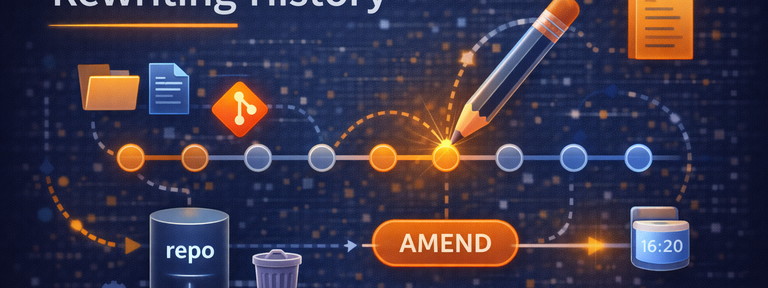
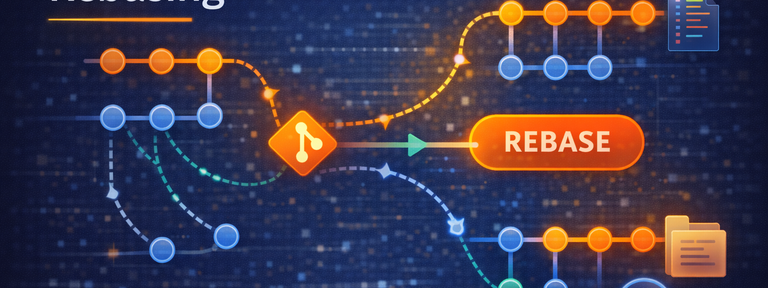
The previous module on rebasing taught us how to move commits around and perform some basic edits while doing so, but now we’re going to really get our hands dirty. We’ll learn...
Thoughts, ideas, and knowledge on technology, programming, and design.
The previous module on rebasing taught us how to move commits around and perform some basic edits while doing so, but now we’re going to really get our hands dirty. We’ll learn...
Let’s start this module by taking an in depth look at our history. The six commits asterisked below are part of the same train of thought. We even developed them in their own fe...
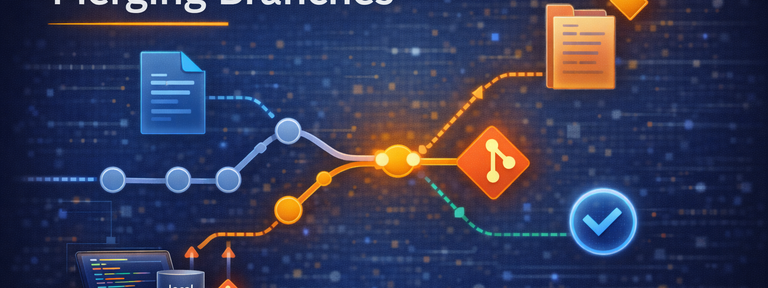
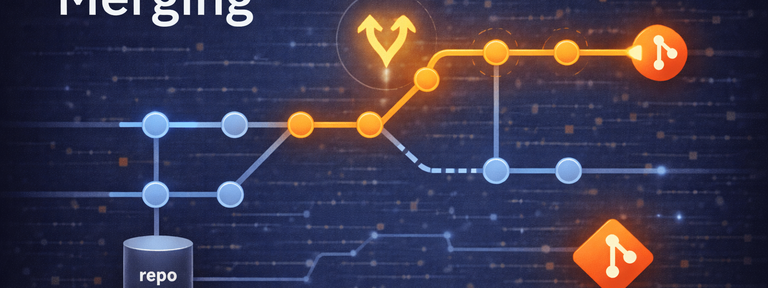
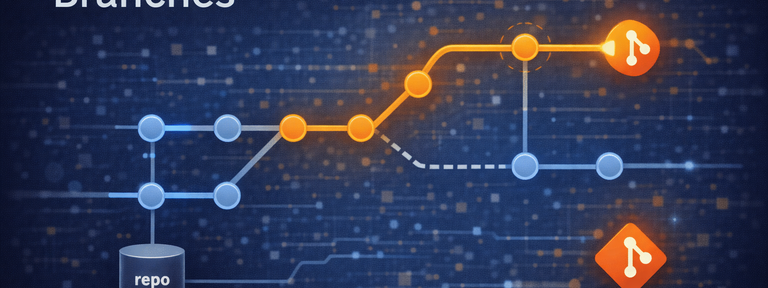
We’ve covered the mechanics behind Git branches, we can discuss the practical impact that they have on the software development process. Instead of introducing new commands, thi...
Branches are the final component of Git version control. This gives us four core elements to work with throughout the rest of this tutorial: The Working Directory The Staged Sna...
In the last module, we learned how to record versions of a project into a Git repository. The whole point of maintaining these “safe” copies is peace of mind: should our project...
Now that you have a basic understanding of version control systems in general, we can start experimenting with Git. Using Git as a VCS is a lot like working with a normal softwa...
Writing multi platform code has its own challenges, but if you use the compiler test then one big challenge is solved for you: you can write one chunk code to run if a specific...
Introduction Git is a version control system (VCS) created for a single task: managing changes to your files. It lets you track every change a software project goes through, as...
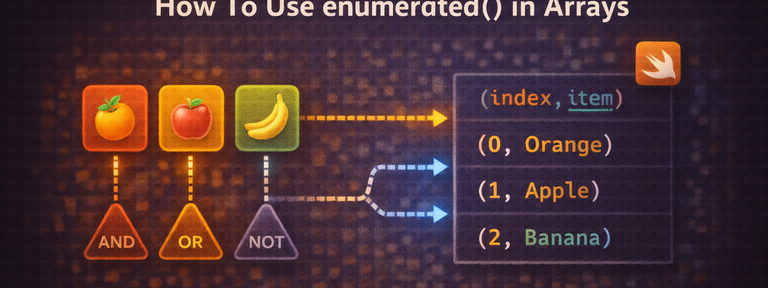
There several ways to loop through an array in Swift, but using the enumerated() method is one of my favorites because it iterates over each of the items while also telling you...
Just like me, I am sure you all have been annoyed by those empty table view cell after your data is loaded.